
.png)
Breaking Down Pool Builder Cost: What You’re Really Paying For
- aquaelitepool company
- Feb 19
- 6 min read


Installing a swimming pool is an exciting way to enhance your backyard, providing a private oasis for relaxation, exercise, and entertainment. However, one of the first questions homeowners often ask is about the cost of building a pool. Understanding the factors that influence pool builder cost can help you plan your budget, make informed decisions, and avoid unexpected expenses. Pool construction involves more than just digging a hole and filling it with water—it requires careful planning, skilled labor, and quality materials. In this guide, we will break down what contributes to pool builder cost and help you understand what you’re really paying for.
Understanding the Basics of Pool Builder Cost
Pool builder cost refers to the total expense associated with constructing a swimming pool, including labor, materials, equipment, and additional services. The cost can vary widely depending on factors such as the type of pool, size, design complexity, location, and selected features. While it’s tempting to focus solely on the initial price, a comprehensive understanding of all cost elements ensures that homeowners budget appropriately and get value for their investment.
Pools are not one-size-fits-all; each project is unique. The cost of a basic rectangular pool may differ significantly from a custom-designed, freeform pool with luxury features. Additionally, the quality of materials, finishes, and professional expertise can affect both upfront costs and long-term maintenance expenses.
Pool Type and Its Impact on Cost
One of the most influential factors in pool builder cost is the type of pool you choose. The three most common pool types are concrete, fiberglass, and vinyl:
Concrete Pools: These are highly durable and allow for unlimited customization, making them ideal for unique designs. However, concrete pools are usually the most expensive due to extensive labor, longer construction times, and specialized materials. They may also require more maintenance over the years, adding to long-term costs.
Fiberglass Pools: Pre-manufactured fiberglass pools are installed quickly, often within a few days. Their smooth surfaces resist algae growth and stains, which reduces cleaning and chemical use. While the initial cost is typically lower than concrete, customization options are more limited.
Vinyl Pools: Vinyl pools are generally the most affordable option upfront. They consist of a flexible liner that fits within a frame. The main consideration is that liners may need replacement every 7–10 years, affecting long-term costs.
Selecting the right pool type involves balancing your budget, desired design, and maintenance preferences.
Size and Shape of the Pool
The size and shape of your pool directly influence the pool builder cost. Larger pools require more excavation, materials, water, and labor, all of which increase expenses. The depth of the pool is another important consideration; deeper pools need additional support structures, more water, and stronger filtration systems.
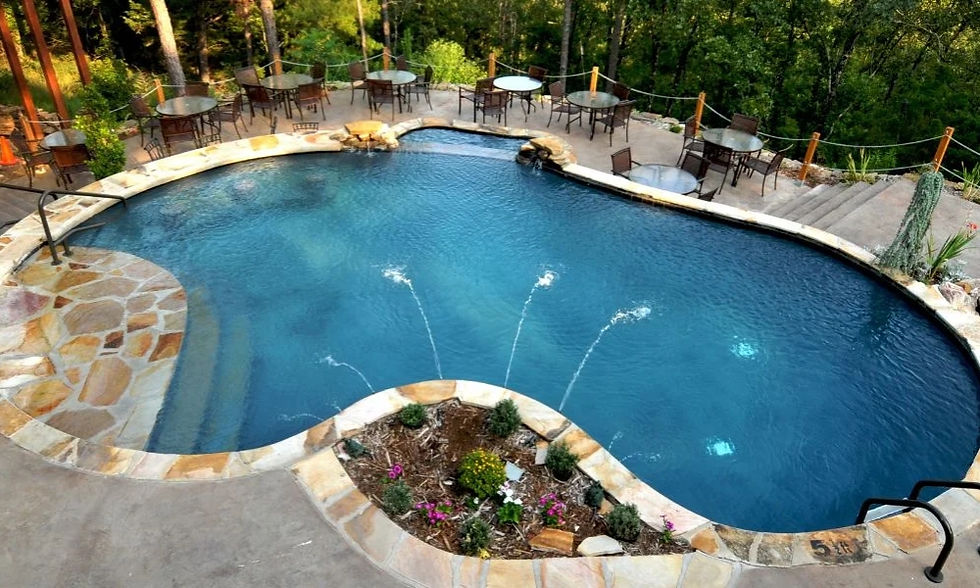
The shape also plays a role. Simple rectangular pools are generally more cost-effective to construct because they require less labor and fewer materials. Freeform or custom-shaped pools often involve complex excavation, reinforced walls, and precise finishing, which drives up the overall cost.
Site Preparation and Excavation
Before a pool can be installed, the backyard site must be properly prepared. Site conditions can significantly affect the pool builder cost. Uneven terrain, rocky soil, poor drainage, or limited access for heavy machinery may require additional work such as grading, blasting, or soil reinforcement.
Excavation is another important factor. The process involves removing large amounts of earth to create the pool cavity. Depending on the soil type and site accessibility, excavation costs can vary widely. A smooth, well-prepared site not only reduces labor costs but also ensures the long-term stability of the pool structure.
Materials and Finishes
The materials used in pool construction account for a large portion of the pool builder cost. Concrete, fiberglass, and vinyl have different price points, but the choice of finishes and surface treatments also plays a role.
Concrete Pools: Options like plaster, aggregate, or tiles can significantly impact the price. Decorative finishes add aesthetic appeal but increase costs.
Fiberglass Pools: The pre-manufactured shells may come in different colors and textures, with upgrades for special finishes.
Vinyl Pools: Vinyl liners come in various patterns and thicknesses, and premium options are more expensive.
Choosing durable, high-quality materials can reduce maintenance costs in the long term, while cheaper alternatives may save money upfront but require more frequent repairs or replacements.
Plumbing, Filtration, and Equipment
A pool is more than a water-filled hole—it is a complex system that requires pumps, filters, heaters, lighting, and sometimes automated controls. These elements are essential for proper water circulation, cleanliness, and safety.
Installing quality equipment and efficient plumbing systems contributes to the pool builder cost, but skimping on these components can lead to frequent breakdowns, poor water quality, and higher utility bills. Many homeowners find that investing in energy-efficient pumps, LED lighting, and advanced filtration systems saves money in the long run while ensuring a pleasant swimming experience.
Labor and Professional Expertise
Labor is a significant portion of the pool builder cost. Experienced contractors bring expertise in excavation, structural work, plumbing, electrical systems, and finishing. Hiring skilled professionals ensures the pool is installed safely, meets local building codes, and lasts for years without major issues.
While it may be tempting to hire cheaper labor or attempt DIY installation, this approach can lead to mistakes, structural problems, or costly repairs. Professional installation provides peace of mind and adds value to your property.
Permits, Regulations, and Safety Features
Local regulations often require permits for swimming pool construction, fencing, and safety measures. Permit fees vary by location and may include inspections during and after construction. Safety features such as pool covers, alarms, and childproof fences may also be required by law.
These necessary legal and safety elements contribute to the overall pool builder cost, but they protect homeowners from liability, ensure compliance, and enhance the safety of children and pets.
Additional Features and Upgrades
Many homeowners choose to add luxury or convenience features to their pools, such as spas, waterfalls, lighting, slides, or automated systems. While these upgrades increase the pool builder cost, they also enhance the pool’s functionality and aesthetic appeal.
Homeowners should prioritize features that provide the most enjoyment and long-term value. Some upgrades, like energy-efficient heaters or advanced filtration systems, may save money over time despite higher upfront costs.
Seasonal Considerations and Timing
The time of year you schedule your pool construction can affect the pool builder cost. During peak construction seasons, demand for contractors and materials is high, which may increase prices. Off-season construction can offer cost savings and more flexible scheduling. Weather conditions also play a role, as heavy rain or extreme temperatures can cause delays and additional expenses. Planning your pool project with seasonal factors in mind helps manage costs effectively.
Maintenance Costs and Long-Term Investment
While the primary focus is often on the pool builder cost, it is important to consider ongoing maintenance expenses. Pools require regular cleaning, chemical balancing, equipment checks, and occasional repairs. Investing in professional installation and quality materials can reduce long-term maintenance costs and extend the life of the pool.
Understanding the relationship between installation cost and future expenses helps homeowners make informed decisions and ensures the pool remains a valuable asset for years to come.
Tips to Save on Pool Builder Cost
Even with a fixed budget, there are ways to manage expenses without compromising quality:
Choose a standard pool shape instead of a complex custom design.
Select durable, low-maintenance materials that reduce long-term costs.
Hire reputable contractors who provide transparent pricing and warranties.
Plan the project during off-peak seasons to take advantage of potential discounts.
Prioritize essential features first, and add optional upgrades later.
By making strategic choices, homeowners can enjoy a high-quality pool while keeping the pool builder cost manageable.
Conclusion
Building a swimming pool is a major investment that transforms your backyard into a private retreat. Understanding the factors that contribute to pool builder cost—including pool type, size, site preparation, materials, labor, equipment, and permits—helps homeowners budget effectively and make informed decisions. While upfront costs may seem high, investing in professional installation and quality materials ensures durability, safety, and long-term enjoyment.
By carefully considering design choices, working with experienced contractors, and planning for maintenance, homeowners can create a beautiful, functional, and enjoyable pool that adds value to their property. Knowing what you are really paying for in pool construction helps you avoid surprises and ensures a successful backyard transformation that meets both your lifestyle and budget goals.


Comments